BASICS
- Is Infinite Banking A Smart Financial Strategy?
- Understanding the Infinite Banking Concept
- Why Infinite Banking Appeals to Canadians Seeking Financial Freedom
- How Infinite Banking Strategy Helps Build Financial Independence
- Challenges and Misconceptions About Infinite Banking
- Who Should Consider Infinite Banking for Financial Freedom?
- How to Start Your Infinite Banking Journey
- Key Advantages of the Infinite Banking Strategy
- A Day-to-Day Struggle: Why More Canadians Are Exploring Infinite Banking
- Potential Drawbacks You Should Know
- The Future of Infinite Banking in Canada
- Is Infinite Banking a Smart Financial Strategy?
COMMON INQUIRIES
- Can I Have Both Short-Term and Long-Term Disability Insurance?
- Should Both Husband and Wife Get Term Life Insurance?
- Can I Change Beneficiaries on My Canadian Term Life Policy?
- What Does Term Life Insurance Cover and Not Cover?
- Does Term Insurance Cover Death?
- What are the advantages of Short-Term Life Insurance?
- Which Is Better, Whole Life Or Term Life Insurance?
- Do Term Life Insurance Rates Go Up?
- Is Term Insurance Better Than a Money Back Policy?
- What’s the Longest Term Life Insurance You Can Get?
- Which is better, Short-Term or Long-Term Insurance? Making the Right Choice
IN THIS ARTICLE
- What is the minimum income for Term Insurance?
- How Does Income Affect Your Term Life Insurance Policy?
- Can You Buy Term Life Insurance Online with a Low Income?
- How Can You Lower Your Term Life Insurance Cost?
- How Much Term Life Insurance Do You Need?
- Can Your Term Life Insurance Policy Be Adjusted Over Time?
- Why Term Life Insurance Is Ideal for Lower-Income Canadians
- Final Thoughts
- More on Term Life Insurance
How Much Does Canada Visitor Insurance Cost?


By Pushpinder Puri
CEO & Founder
- 10 min read
- July 07, 2026
SUMMARY
Canada Visitor Health Insurance cost explained with real pricing, Visitor Insurance Plans in Canada, coverage limits, and the monthly cost of Visitor Insurance in Canada. Covers Health Insurance for visitors to Canada, Visitor Insurance with pre-existing conditions, claims process, exclusions, and how to compare Visitor Insurance quotes in Canada to manage medical expenses and emergency medical risks.
Introduction
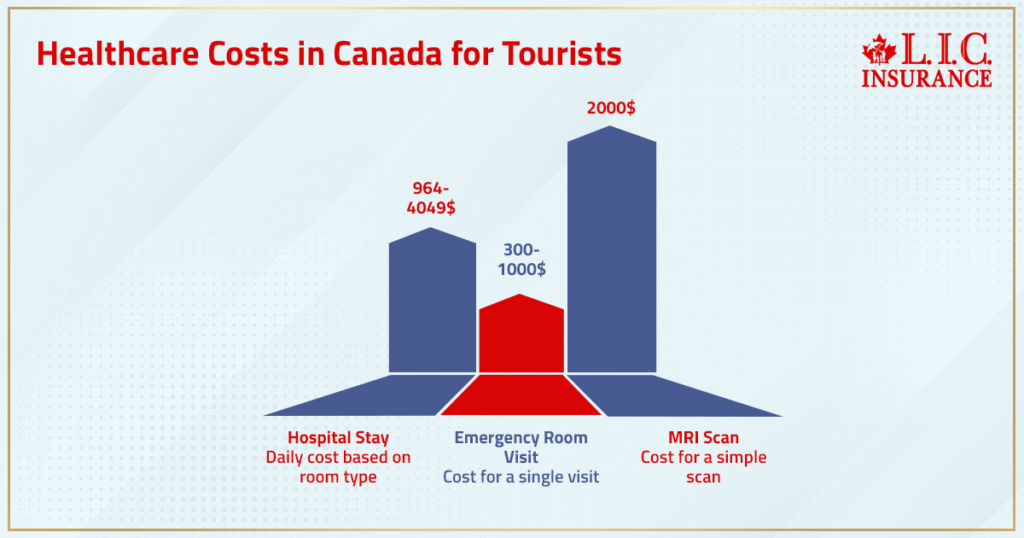
A medical emergency doesn’t give a warning signal before it occurs. For many visitors to Canada, this realization happens at the worst possible time—inside a hospital, facing bills they never expected. According to the Canadian Institute for Health Information, a single hospital stay in Canada can run over $1,000 per day, and emergency medical care can escalate significantly based on medical conditions and emergency medical treatment.
For visitors to Canada, these figures aren’t abstract figures. In fact, without Health Insurance for visitors to Canada, all medical expenses, including ambulance service and emergency medical expenses, have to be met out of pocket. That is where the importance of knowing Canada Visitor Health Insurance cost comes in—not just as a cost factor, but as a safety net.
It is easy to get caught up in the cost factor. However, it is when you need it that you realize the importance of Visitor Insurance Plans in Canada.
Canada Insurance Overview – Why Visitors To Canada Need Medical Insurance
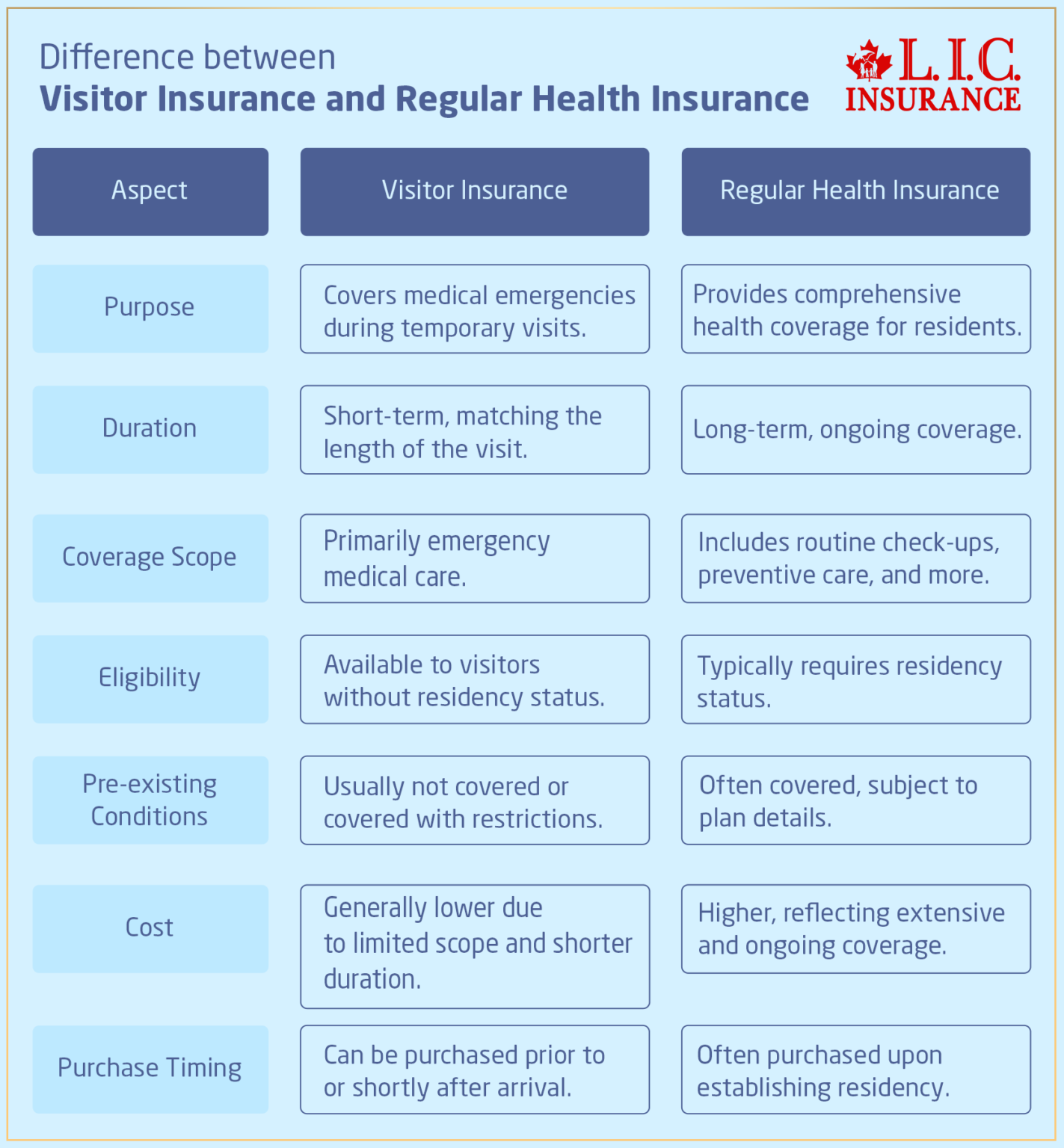
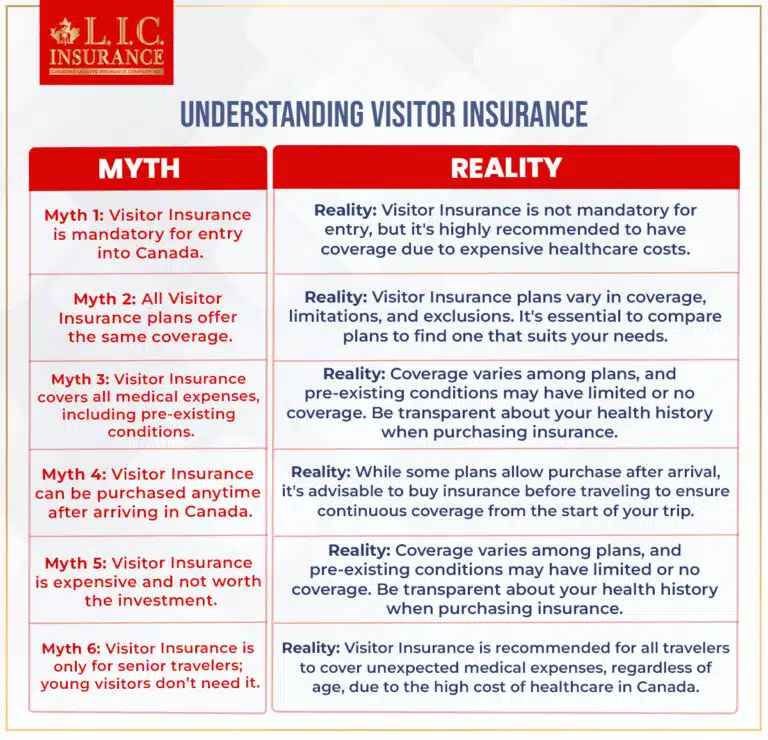
The assumption that the healthcare system in Canada covers all people automatically is one of the most common misconceptions about the country’s healthcare system. While the provincial Health Insurance Plan covers all the residents in Canada, as well as permanent residents, it does not cover people visiting the country.
This means that people will be billed directly for receiving medical care in the country. While the costs of a simple consultation may run into the hundreds, a more serious medical emergency can run into thousands in the course of just a few hours. Without medical insurance, the costs are immediate and unavoidable.
Medical insurance for people visiting Canada aims to cover the costs so that they can receive emergency medical care without the need to pay high amounts of money upfront. More importantly, it aims to cover the costs so that the visitor can avoid the uncertainties in the costs of the medical treatment they may need to receive while in the country.
What Determines Visitor Insurance Cost In Canada?
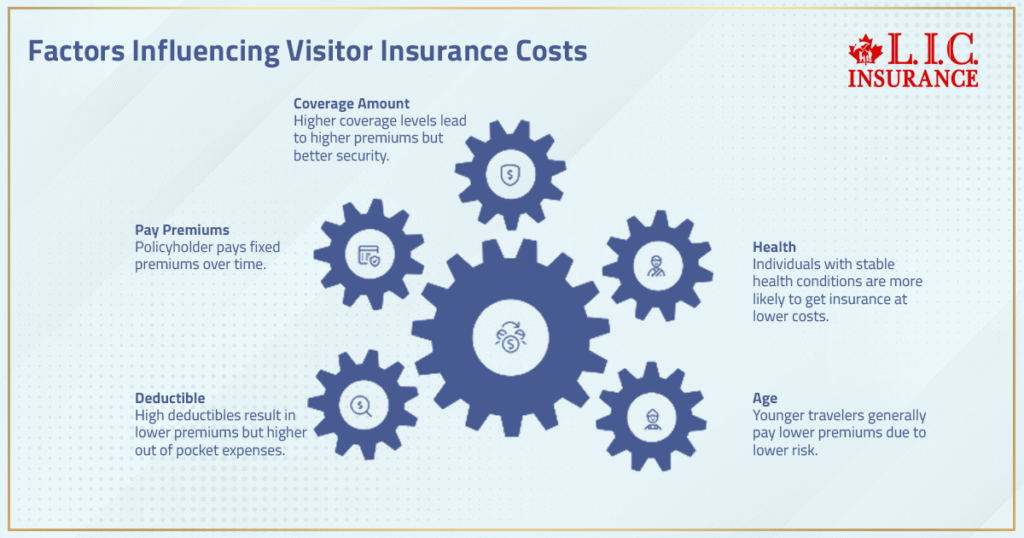
The cost of insurance is not fixed and varies according to individual and insurance policy factors. Each factor is significant in determining the insurance premium cost.
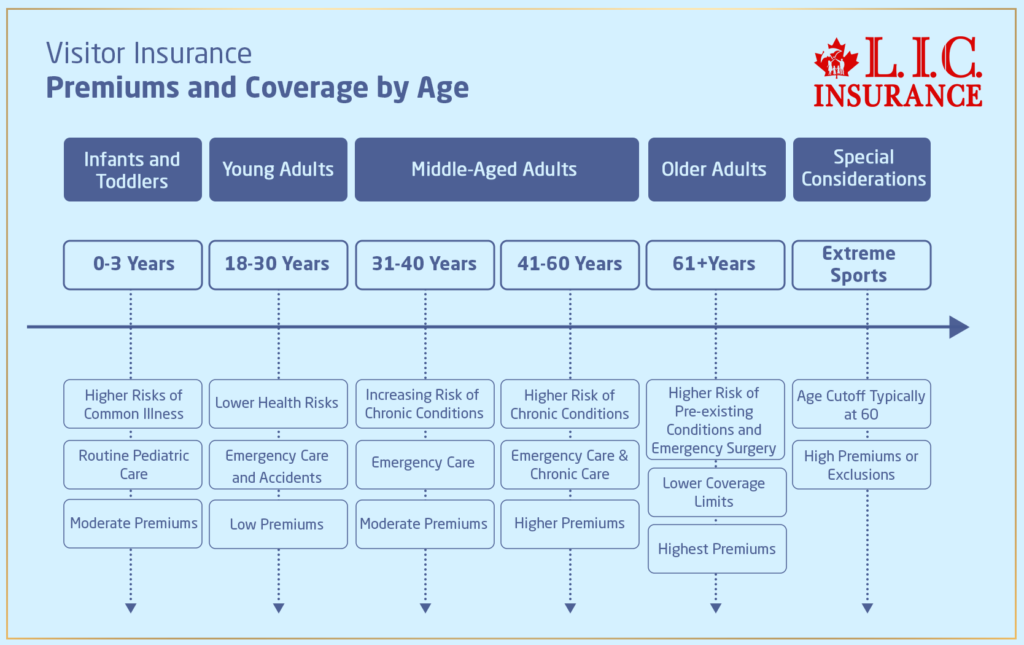
The age factor is significant in determining the insurance cost. Generally, younger travellers are offered insurance premiums at lower costs. However, as the age group rises, especially above 60, the insurance cost is adjusted according to the increased risk of medical emergencies arising.
The health factor is also significant in determining the insurance cost. An individual with an unstable medical condition is less likely to be offered insurance compared to an individual with a stable medical condition. The insurance provider assesses the medical conditions and may even require the completion of a medical questionnaire before approving the insurance eligibility.
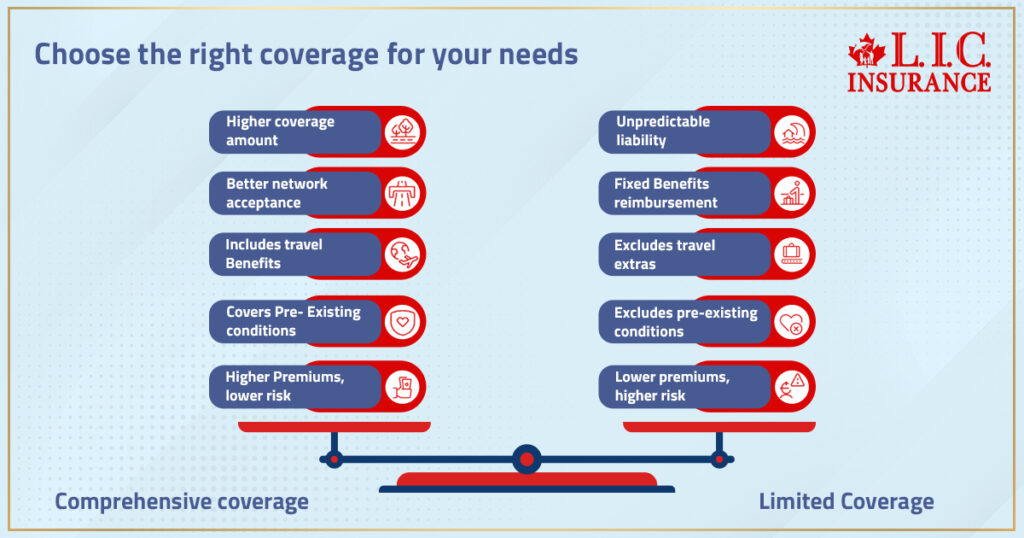
The amount of coverage also influences the premium costs considerably. Higher coverage amounts provide better security, but make the premium costs of Visitor Insurance Plans in Canada higher. In the same manner, the coverage period, particularly when the coverage period is up to one year under the super visa program, influences the costs of the insurance premium.
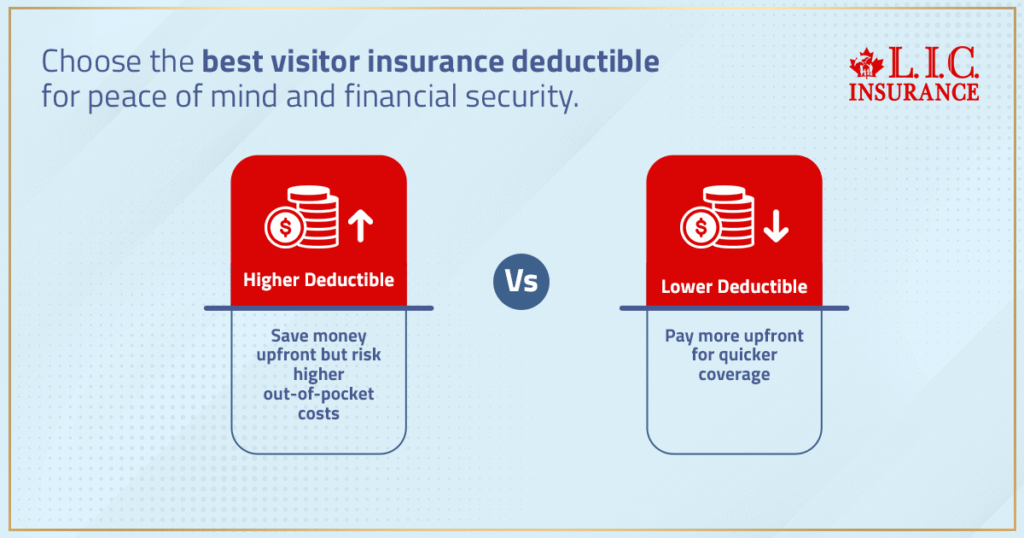
Deductible options are another determinant of the costs of the insurance premium. In the case of a high deductible, the premium costs are lower, but the costs are high when the policyholder has to make a claim.
Average Canada Visitor Health Insurance Cost
To give a clearer picture of how much Visitor Health Insurance costs in Canada, the following table reflects realistic pricing ranges across different age groups and coverage amounts.
Monthly Cost Visitor Insurance In Canada (Estimated)
| Age Group | $100,000 Coverage | $150,000 Coverage | $300,000 Coverage |
|---|---|---|---|
| 25–40 | $45 – $70 | $55 – $85 | $80 – $120 |
| 41–60 | $70 – $120 | $90 – $150 | $130 – $220 |
| 61–75 | $120 – $220 | $160 – $300 | $250 – $450 |
| 75+ | $250 – $500+ | $350 – $700+ | $500 – $1,000+ |
These figures are subject to change depending on the insurance company in question. However, the figures demonstrate a pattern of consistency: the older the applicant and the higher the amount of coverage, the higher the cost of the insurance policy. In the case of super visas, the premiums are a result of the long period of coverage and the mandatory requirement.
Canada Travel Insurance Cost For Different Visitor Types
Another factor which affects the pricing of the insurance policy is the type of visitor. In the case of a short-term visitor, the pricing is lower due to the shorter period of exposure. On the other hand, long-term visitors require more comprehensive policies.
Parents who visit Canada with the Super Visa program are charged a higher premium due to the fact that the policies are required to adhere to certain standards and criteria, including higher coverage and longer periods.
Senior visitors are another category of people who are charged a higher premium due to the medical risks they pose. In this case, the insurance company can adjust the coverage limits or set certain conditions on the pre-existing medical conditions.
Health Insurance Coverage – What Visitor Insurance Actually Includes
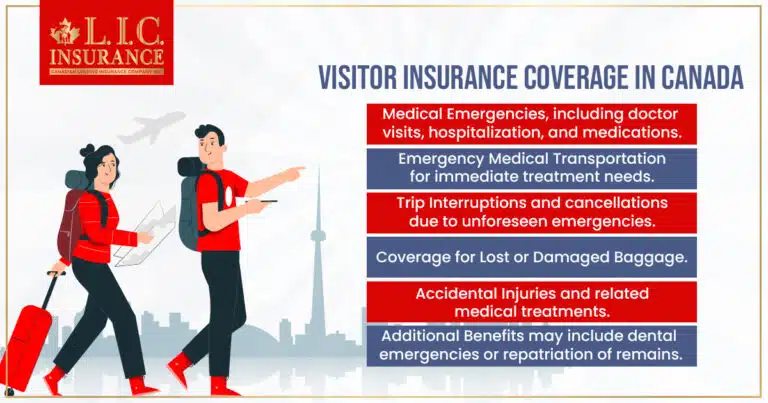
Visitor Insurance Plans have been designed keeping in mind emergency medical cover. It includes hospital stay, consultation with doctors, medication, ambulance service, and medical evacuation if required.
One of the cases we dealt with was where a visitor was experiencing severe chest pains just after arrival in Canada. It was not a major problem at first, but it required emergency treatment and a hospital stay.
Real Claim Scenario
| Situation | Outcome |
|---|---|
| Emergency hospitalization due to chest pain | Immediate admission |
| Total medical expenses | $18,500 |
| Insurance coverage | Almost fully covered |
| Out-of-pocket cost | Minimal |
This situation would have been costly without Travel Medical Insurance. In this case, however, the medical expenses were taken care of by the insurance provider, thus enabling the visitor to recover.
Emergency Medical Expenses In Canada – Why Costs Are So High
Medical emergencies in Canada are costly because the system has been built around quality, facilities, and treatment. Though Canada’s residents enjoy free medical facilities, visitors have to bear the expenses.
The following table shows some common medical expenses that visitors incur:
Typical Emergency Medical Costs In Canada
| Medical Service | Estimated Cost |
|---|---|
| Emergency Room Visit | $800 – $3,000 |
| ICU Stay (Per Day) | $3,000 – $10,000 |
| Surgery | $10,000 – $50,000+ |
| Ambulance Services | $500 – $1,500 |
These figures highlight why adequate coverage is essential. Even a short medical emergency can result in thousands of dollars in expenses.
Visitor Insurance Exclusions In Canada
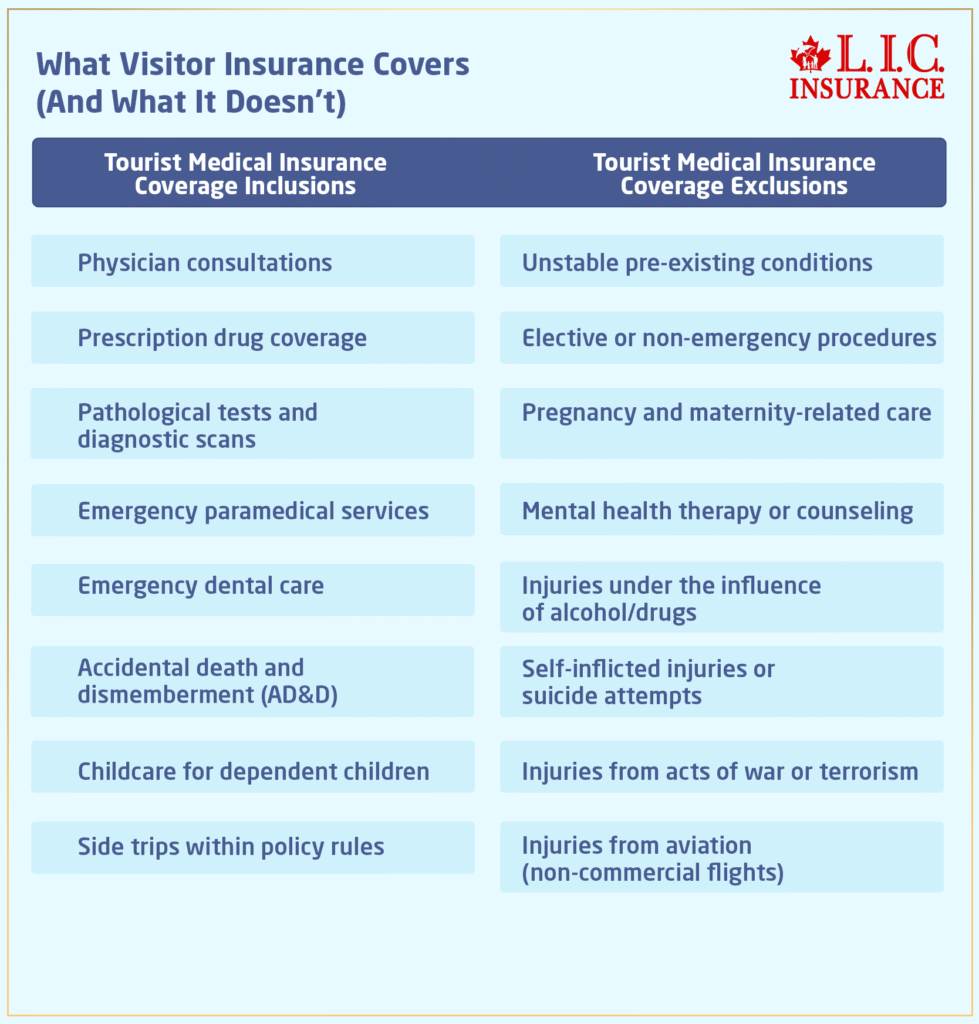
Although coverage is provided, there are Visitor Insurance exclusions to consider. Exclusions under Visitor Insurance in Canada include conditions where risks are too great and conditions that were not disclosed properly.
Unstable pre-existing conditions, injuries from activities deemed too risky, and new treatments are excluded under Visitor Insurance in Canada. Waiting periods may also be applicable before coverage begins.
Knowing what is excluded under Visitor Insurance in Canada helps match expectations with what is provided, ensuring claims are not denied.
Visitor Insurance With Pre-Existing Conditions
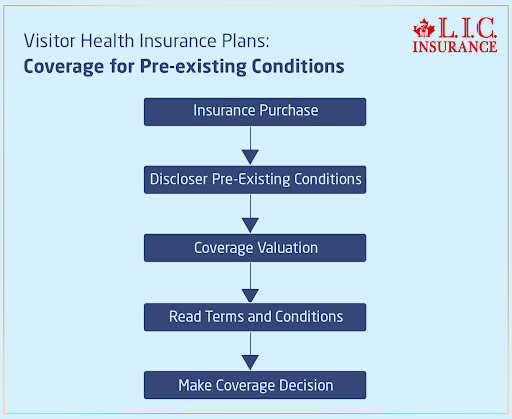
Visitors with pre-existing medical conditions have often been apprehensive about whether they would be eligible for an insurance policy or not. The truth, however, is more complex than this. Many insurance companies provide Visitor Insurance with pre-existing conditions if they have been stable for a particular duration.
However, if changes have been observed in the medical condition recently, either an increased premium amount is added, or it is denied altogether. In this regard, it is crucial to understand the importance of disclosure.
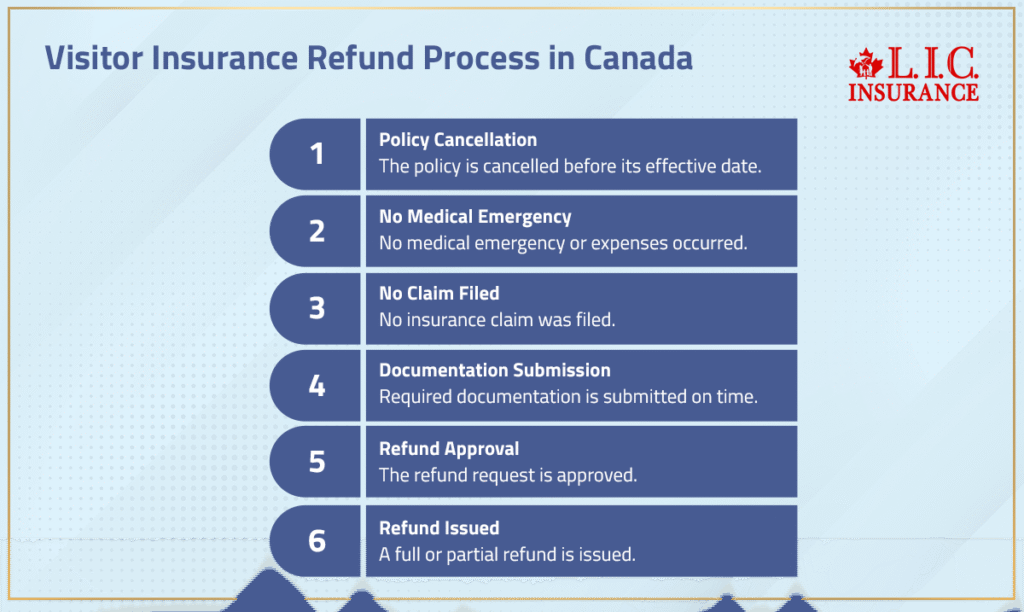
Visitor Insurance Claims – How The Process Works
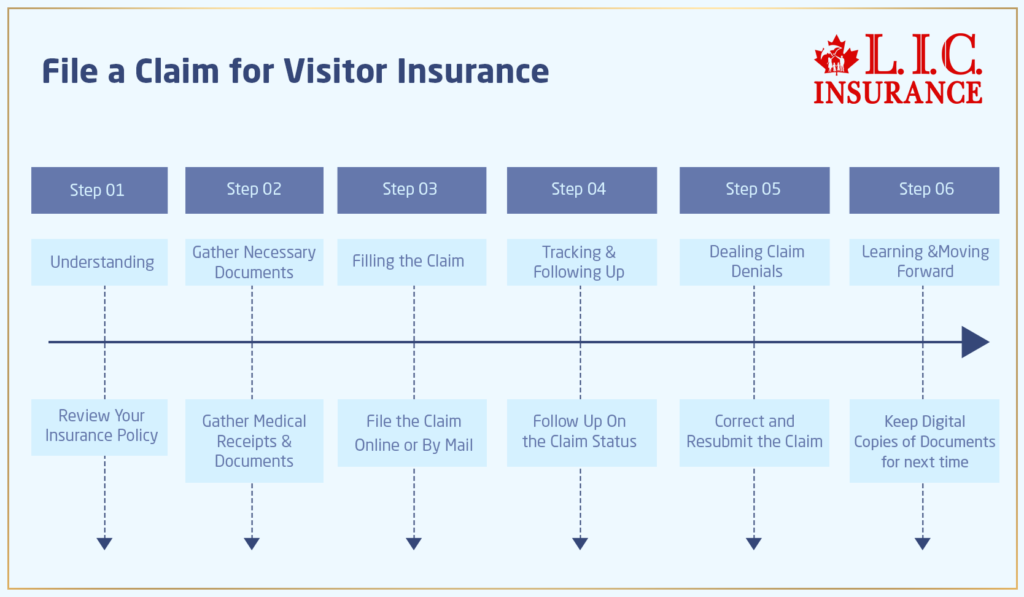
The Visitor Insurance claims process is intended to help the visitors in times of need. In most emergency cases, the hospital and the insurance provider will handle the case, and payment is not required immediately.
The claims process usually requires the insured to notify the insurance provider, receive medical attention, and then send the documents. Reputable insurance companies and insurance agencies have made the claims process easier and faster.
Coverage Amounts And Deductible Options
Balancing the amount of coverage with the options on deductibles is important in terms of cost and protection. More coverage translates to better financial protection.
The comparison of the two plans can be shown as follows:
Deductible Impact On Insurance Cost
| Deductible Type | Monthly Premium | Out-of-Pocket During Claim |
|---|---|---|
| Lower Deductible | Higher | Lower |
| Higher Deductible | Lower | Higher |
Choosing the right combination depends on personal comfort with financial risk and expected medical needs.
Entering Canada Without Insurance – A Financial Risk Few Expect
We have seen cases where people have entered Canada without insurance, thinking they wouldn’t need it. One such case was where emergency surgery was required, leading to a bill of over $30,000.
Without insurance, this amount had to be arranged immediately. The stress was not just monetary but also affected the whole experience.
This is what happens when you enter Canada without proper insurance. The risk is not hypothetical; it is immediate.
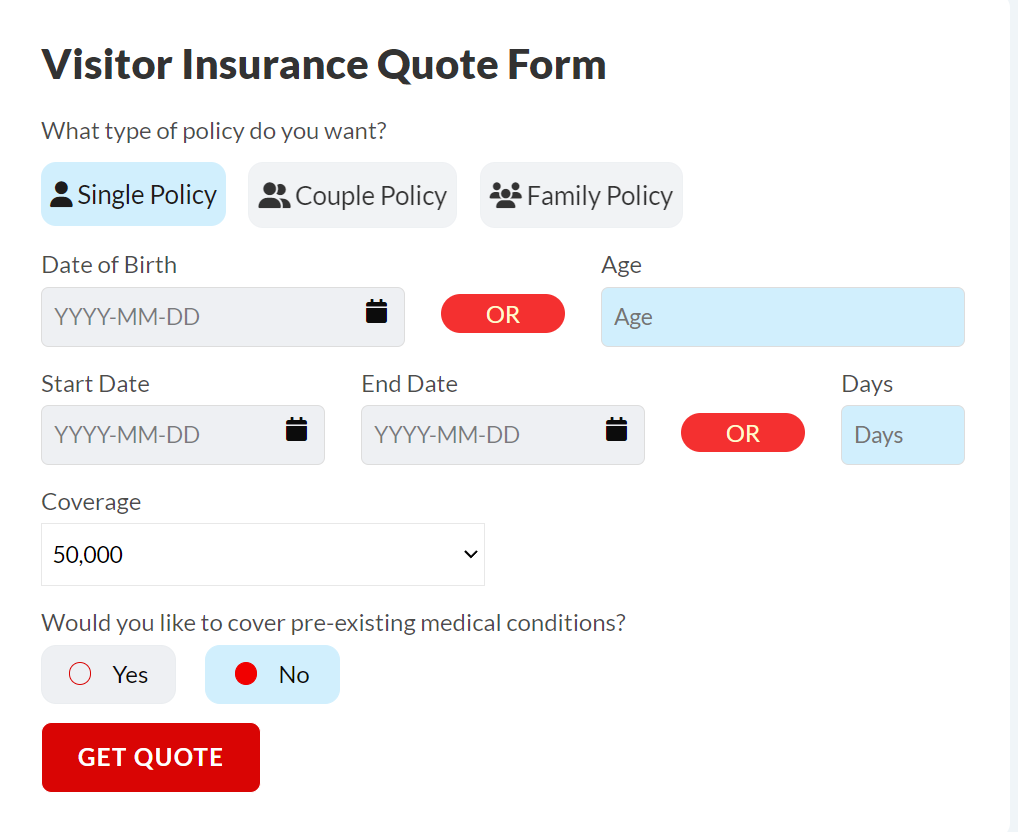
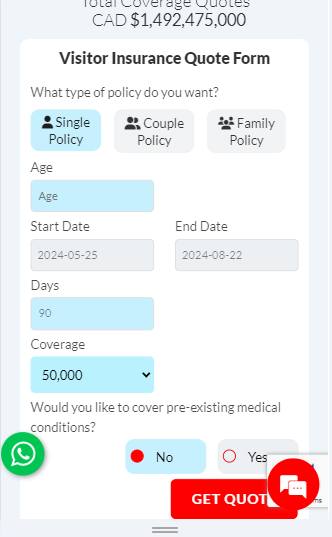
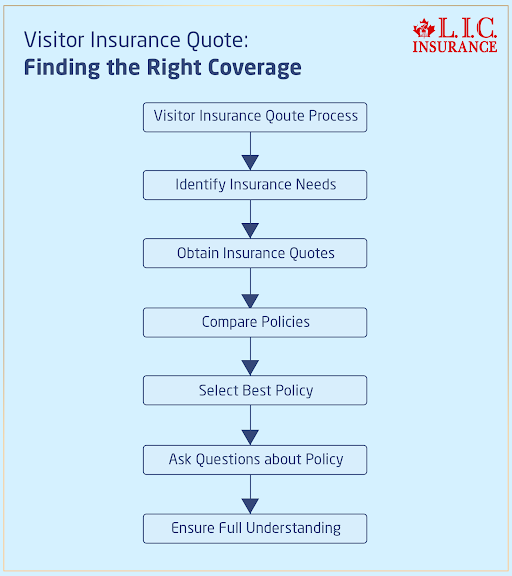
How To Get The Best Visitor Insurance Quotes Canada
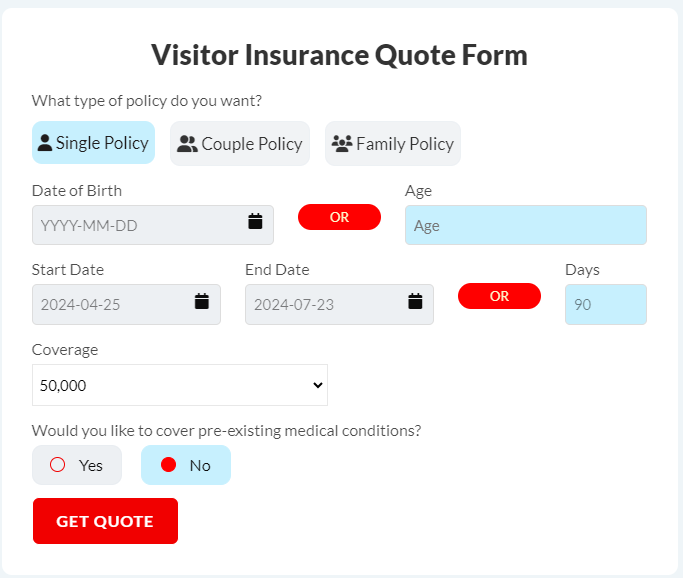
Finding the best Visitor Insurance quotes in Canada means comparing different insurance companies and understanding the limits of the insurance, as well as matching insurance with travel plans.
Working with experienced insurance advisors means that visitors can get a chance to evaluate different insurance companies, including understanding different deductible options, and matching insurance with their health and financial situation.
The objective is to ensure that visitors are able to reduce costs while ensuring that insurance is available when required.
Final Cost Summary – What You Should Expect To Pay
The cost of Canada Visitor Health Insurance varies, and there is a general idea about what that cost is. The cost for young visitors will be between $45 and $120 per month, while older visitors will be between $150 and $500 or more, depending on the amounts, their health, and their deductible choices.
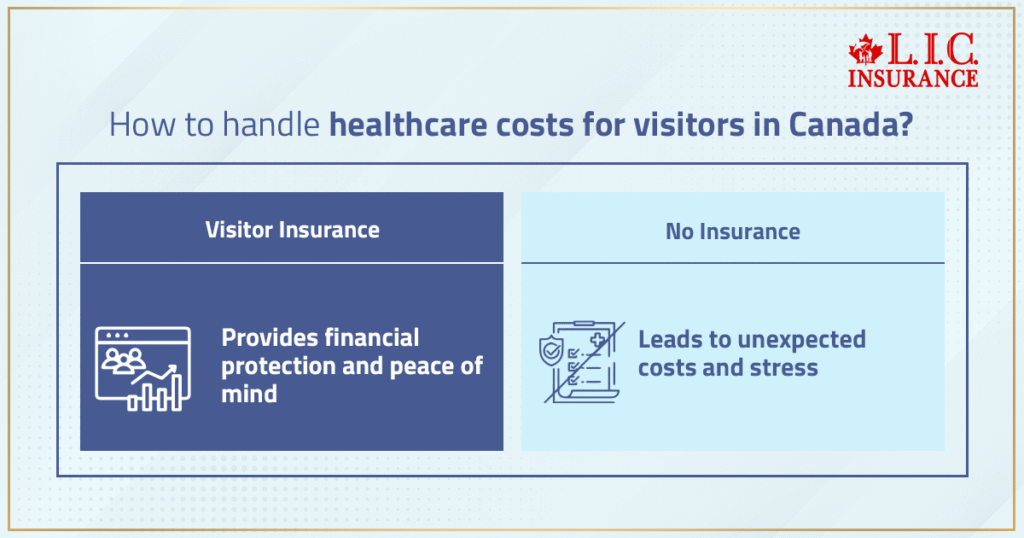
The cost of insurance will be predictable, but the cost of no insurance will be anything but.
We’ve seen both sides, and every time, preparation makes all the difference.

FAQs
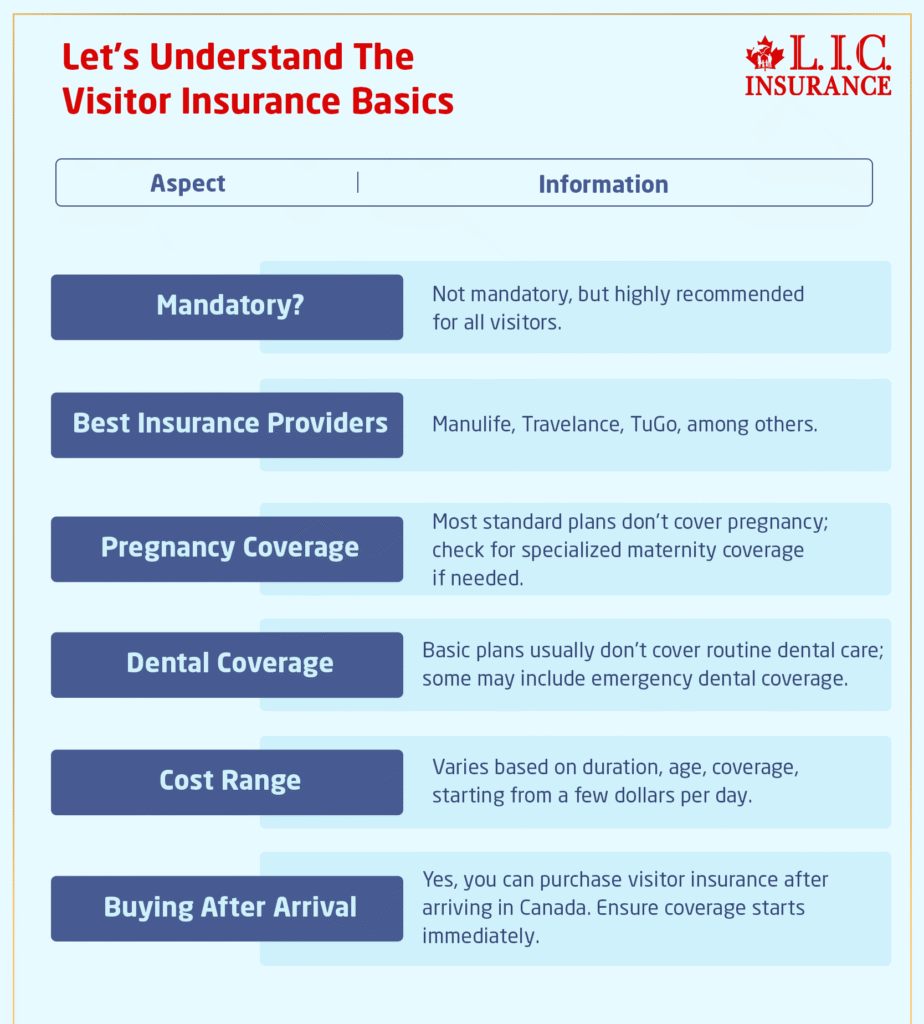
It is highly recommended to buy Health Insurance for visitors to Canada before they arrive in the country so that the insurance can start from the very first day. If the purchase is made after the visitor has entered the country, then there will be a waiting period, especially in the case of pre-existing conditions. Buying the insurance in advance will ensure lower premium costs according to the current condition of the visitor’s health.
The extension is possible with most Visitor Insurance Plans available in Canada, and this is subject to the condition of your health and if any medical emergencies occur during the initial period. It is always advisable to extend your insurance policy early to ensure that you have continuous medical insurance protection.
In Canada, follow-up visits related to the same emergency medical condition may also be covered under Canadian travel insurance, provided they are within the coverage limits and timeframes. However, if a new treatment is needed after the policy has ended, it might not be covered, and hence, coverage and emergency medical expenses clauses are important to consider before finalizing a plan.
Quotes for Visitor Insurance in Canada vary depending on the travel plans of frequent travellers. Some insurance companies provide flexible plans that allow for multiple trips or side trips outside Canada. Comparing quotes from different insurance companies will enable one to find affordable plans without compromising medical and financial coverage.
The average cost of Canadian Visitor Health Insurance for tourists varies between $80 and $300, depending on factors such as age, health, and deductible options, where a 30-day insurance plan with $100,000 coverage is required.
Youth tend to pay less for insurance, whereas older visitors and those with pre-existing medical conditions tend to pay more. The final cost of insurance is determined based on various factors, including insurance options and medical risks.
The cost of Visitor Insurance Plans for a 60-year-old in Canada would be between $130 and $300 per month, depending on medical conditions, limits, and deductible options.
If pre-existing conditions are stable, then there would be an increase in the cost of the premium.
Insurance companies would also consider medical histories, and a medical questionnaire would be required before approving Visitor Insurance Plans for Canada.
There are several companies offering affordable Visitor Insurance Plans in Canada, including Destination Canada, Travelance, and TuGo, which offer flexible pricing depending on the deductible options.
The choice of the insurance company depends on the health condition, travel plans, and the amount of medical coverage needed. By comparing several companies, one can find the most affordable travel insurance companies without compromising the emergency medical coverage.
The cost of Short-Term Visitor Insurance for a one-month stay ranges from $95 to $328, depending on the amount of $100,000 in emergency medical coverage.
The cost of basic travel insurance is less, but the cost of comprehensive travel insurance increases the cost of the insurance plan for the visitor to Canada.
Yes, visitors can compare quotes for Canada Visitor Insurance online and get quotes from various insurance companies, enabling visitors to compare prices, limits, and exclusions.
The use of online comparison tools will help visitors compare various travel insurance options, including deductibles and limits, enabling visitors to choose the best insurance plan according to their needs and financial protection requirements.
Sources and Further Reading
- CIHI – Hospital Spending and Cost of Care in Canada
Detailed breakdown of hospital and emergency medical expenses in Canada that impact the Visitor Insurance cost. - IRCC – Super Visa Insurance Requirements
Official rules on minimum coverage amounts, eligibility, and insurance requirements for parents visiting Canada. - Government of Canada – Health Care for Visitors
Explains why visitors to Canada are not covered under provincial Health Insurance and must rely on private medical insurance. - CLHIA – Travel Health Insurance Guide
Covers Visitor Insurance Coverage, exclusions, emergency medical claims, and how travel insurance works in Canada. - Manulife – Visitors to Canada Insurance Plans
Real plan examples, including coverage amounts, emergency medical coverage, and pricing factors. - Sun Life – Travel Medical Insurance Canada
Details on travel insurance coverage, emergency medical expenses, and deductible options. - Allianz – Travel Insurance Coverage Explained
Information on medical evacuation, trip interruption insurance, and the Visitor Insurance claims process. - Travelance – Visitors to Canada Insurance Plans
Breakdown of Visitor Insurance Plans in Canada, including cost factors, coverage limits, and pre-existing conditions.
Key Takeaways
- Canada Visitor Health Insurance costs vary based on age group, health status, coverage amounts, and deductible choices, making it essential to compare Visitor Insurance Plans in Canada before purchasing. Visitors to Canada are not covered under provincial Health Insurance, which means all medical expenses must be paid out of pocket without proper medical insurance.
- Even a minor medical condition can lead to high emergency medical expenses, while serious medical emergencies can result in tens of thousands in costs. Choosing adequate coverage with the right coverage limits helps reduce financial risk and ensures access to emergency medical care without delays.
- Visitor Insurance with pre-existing conditions is available if the condition is stable, but it often comes with higher premiums and strict eligibility rules. Understanding Visitor Insurance exclusions in Canada is equally important to avoid claim issues.
- Comparing Visitor Insurance quotes Canada from several companies allows a better selection of plans based on travel plans, medical coverage needs, and budget. The cost of insurance remains predictable, while the cost of being uninsured can be financially overwhelming.
Your Feedback Is Very Important To Us
Thank you for sharing your feedback. Your responses help improve how Visitor Insurance Plans in Canada are explained and offered.
IN THIS ARTICLE
- How Much Does Canada Visitor Insurance Cost?
- Canada Insurance Overview – Why Visitors To Canada Need Medical Insurance
- What Determines Visitor Insurance Cost In Canada?
- Average Canada Visitor Health Insurance Cost
- Canada Travel Insurance Cost For Different Visitor Types
- Health Insurance Coverage – What Visitor Insurance Actually Includes
- Emergency Medical Expenses In Canada – Why Costs Are So High
- Visitor Insurance Exclusions In Canada
- Visitor Insurance With Pre-Existing Conditions
- Visitor Insurance Claims – How The Process Works
- Coverage Amounts And Deductible Options
- Entering Canada Without Insurance – A Financial Risk Few Expect
- How To Get The Best Visitor Insurance Quotes Canada
- Final Cost Summary – What You Should Expect To Pay